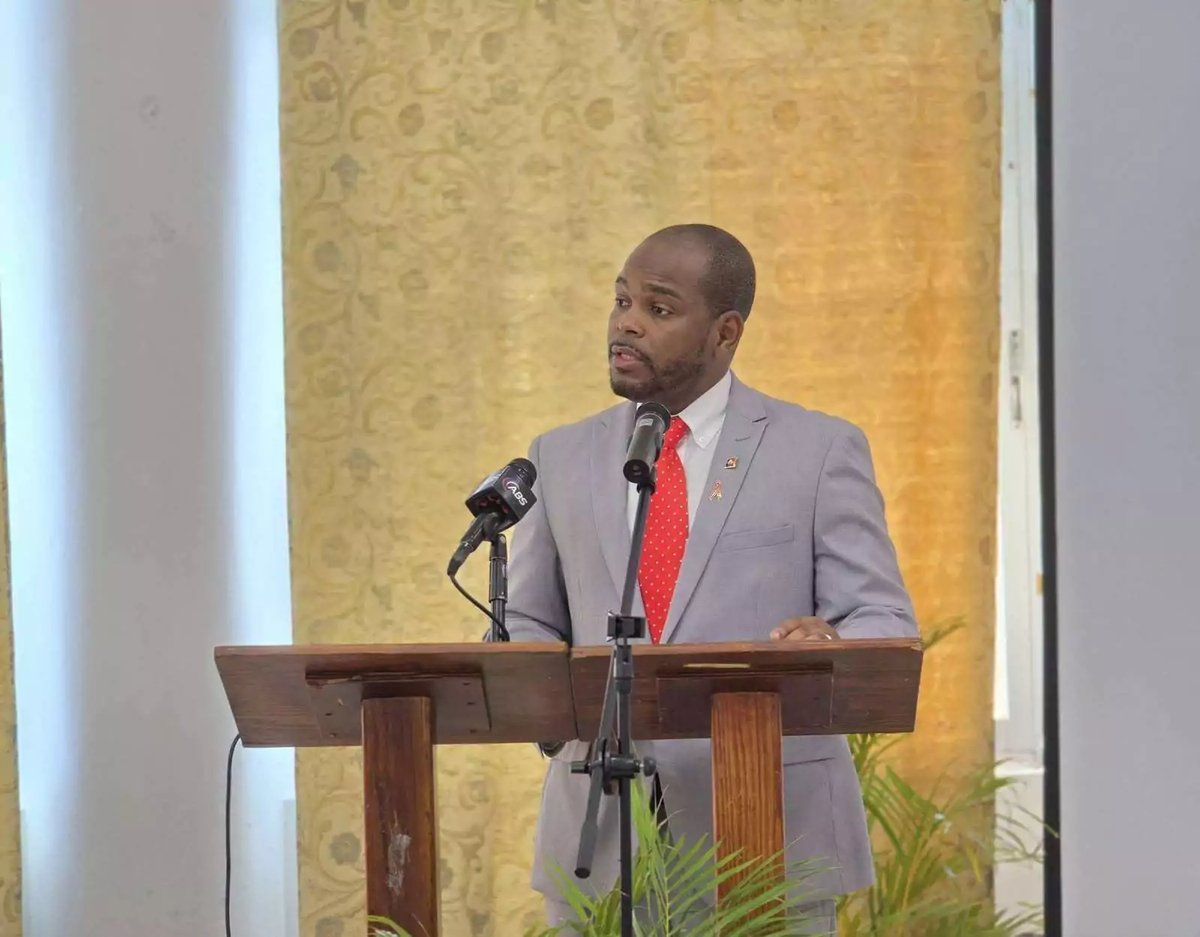
Antigua's newly paved highways may offer smoother roads, but for at least one traffic officer, they present a fresh set of dangers. According to Antigua Observer, Corporal Brendan Sutherland of the Traffic Department describes the gleaming black asphalt not as progress, but as an invitation for motorists to speed — and a daily reminder of the uphill battle officers face on the front lines of road safety.
As reported by Antigua Observer, Corporal Sutherland spoke candidly about the realities of traffic patrolling in Antigua and Barbuda, touching on three interconnected challenges: entrenched driver attitudes, systemic resource shortfalls, and a level of occupational stress that follows officers well beyond the end of their shifts.
For Sutherland, the job is not simply about issuing tickets or directing traffic at busy intersections. It is a continuous, psychologically demanding responsibility — one where the stakes are measured in human lives. He describes a work environment where officers are stretched thin, equipment and manpower do not always meet the demands of the roads, and the public's relationship with traffic enforcement remains, at best, complicated.
Driver behaviour, he suggests, sits at the heart of the problem. The attitude of many motorists toward speed limits, road rules, and law enforcement personnel creates an environment that makes effective policing difficult. Improved road infrastructure, rather than encouraging greater caution, appears in some cases to embolden recklessness.
Perhaps most striking is Sutherland's account of the emotional and psychological toll the role exacts. There is, he makes clear, no true detachment from the job — no clean separation between the uniform and the person wearing it. The weight of patrolling Antigua's roads does not simply lift when an officer clocks out.