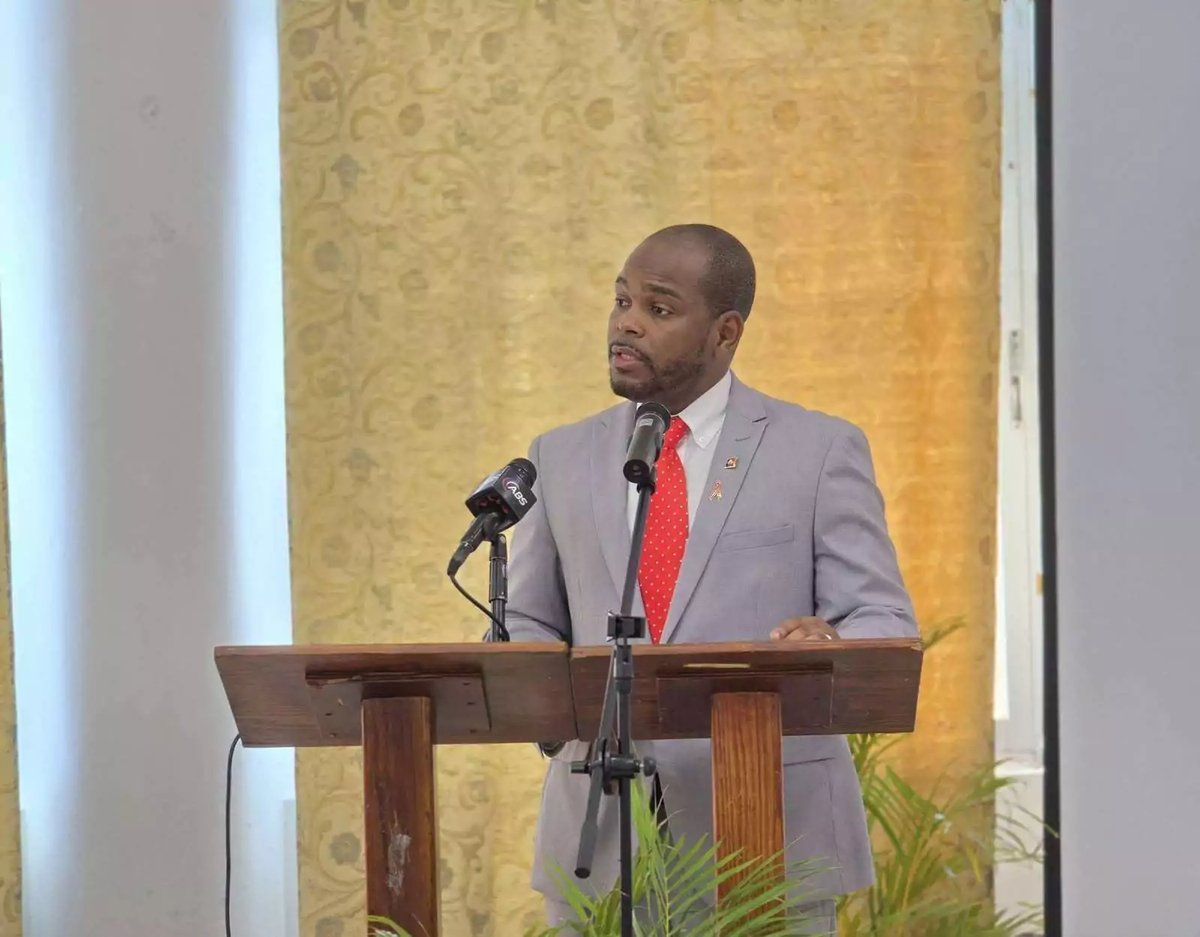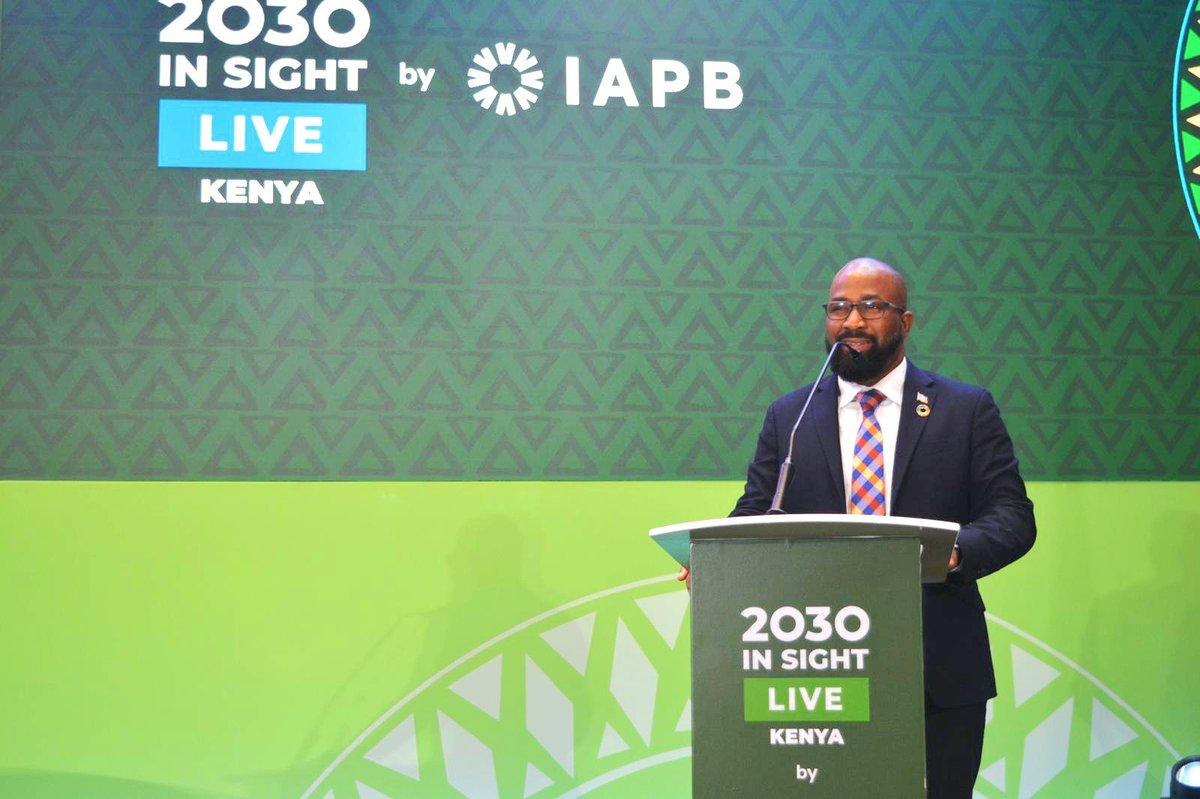
NAIROBI, Kenya — Antigua and Barbuda's push for equitable access to eye health and vision care earned prominent recognition on the global stage this week, as Senior Diplomat Claxton Duberry presented the country's achievements at the 2030 In Sight Live Conference in Kenya.
Speaking at an International Agency for the Prevention of Blindness (IAPB) meeting held from June 4–6, Duberry addressed an audience of government officials, health leaders, development partners, private sector representatives, and civil society stakeholders. He outlined Antigua and Barbuda's progress in eye care and the country's commitment to making quality services accessible to all.
The session, titled "Positioning Eye Health as a National Priority: From Strategy to Systems," examined how nations can translate global commitments into sustainable national action. Delegates warmly received Duberry's address, welcoming the country's practical efforts to move eye health from an international advocacy issue to a concrete national development priority.
Speaking on behalf of the Government, Duberry highlighted the roles of Prime Minister the Hon. Gaston Browne and Ambassador Sir Walton Webson, Permanent Representative to the United Nations, crediting their collective leadership for positioning Antigua and Barbuda as a global champion for vision care.
At the centre of his presentation was the Prime Minister's "Vision Project," a national initiative built on three pillars. The first focuses on expanding access to eyeglasses, with thousands of near-vision glasses being distributed to citizens and residents. The second pillar targets the building of sustainable eye health capacity through training, workforce development, and strengthening local care systems. The third is the Blindness Free Zone Initiative — a community-based model designed to eliminate preventable blindness through early detection, treatment, surgical access, and integrated eye care services.
Duberry reported that the initiative has already secured approximately US$90,000 in specialised ophthalmic equipment, generated more than 25,000 hours of professional training opportunities for local healthcare personnel, and obtained 25,000 near-vision eyeglasses to support nationwide outreach.
"The Blindness Free Zone is not simply a healthcare programme — it is a development model that demonstrates how political commitment, strategic partnerships, and community engagement can improve quality of life while strengthening national systems," Duberry said.
He also drew attention to the upcoming Global Eye Health Summit in Antigua and Barbuda, which will be convened on the sidelines of the Commonwealth Heads of Government Meeting (CHOGM). The summit is expected to bring together governments, development agencies, private sector leaders, philanthropies, and civil society organisations to mobilise commitments, strengthen accountability, and accelerate progress toward global eye health targets for 2030.
On the margins of the Kenyan conference, Duberry held a series of strategic meetings with senior leaders in the global eye health community. Discussions centred on expanding support for the Blindness Free Zone Initiative, forging partnerships for capacity building and service delivery, and advancing preparations for the CHOGM-linked summit.
The engagements further cemented Antigua and Barbuda's growing reputation as a leading advocate for vision care, and reinforced the country's determination to keep eye health firmly on global development, health, and inclusion agendas.